
When a freshly installed toilet rocks under your weight, the first instinct is to check the bowl for a warp or a bad casting. Porcelain is fired and glazed, though, and the bottom of a bowl is usually flat enough to sit on a decent surface. Plumbers see the same pattern repeatedly: the fixture gets returned or replaced, and the next one behaves exactly the same way.
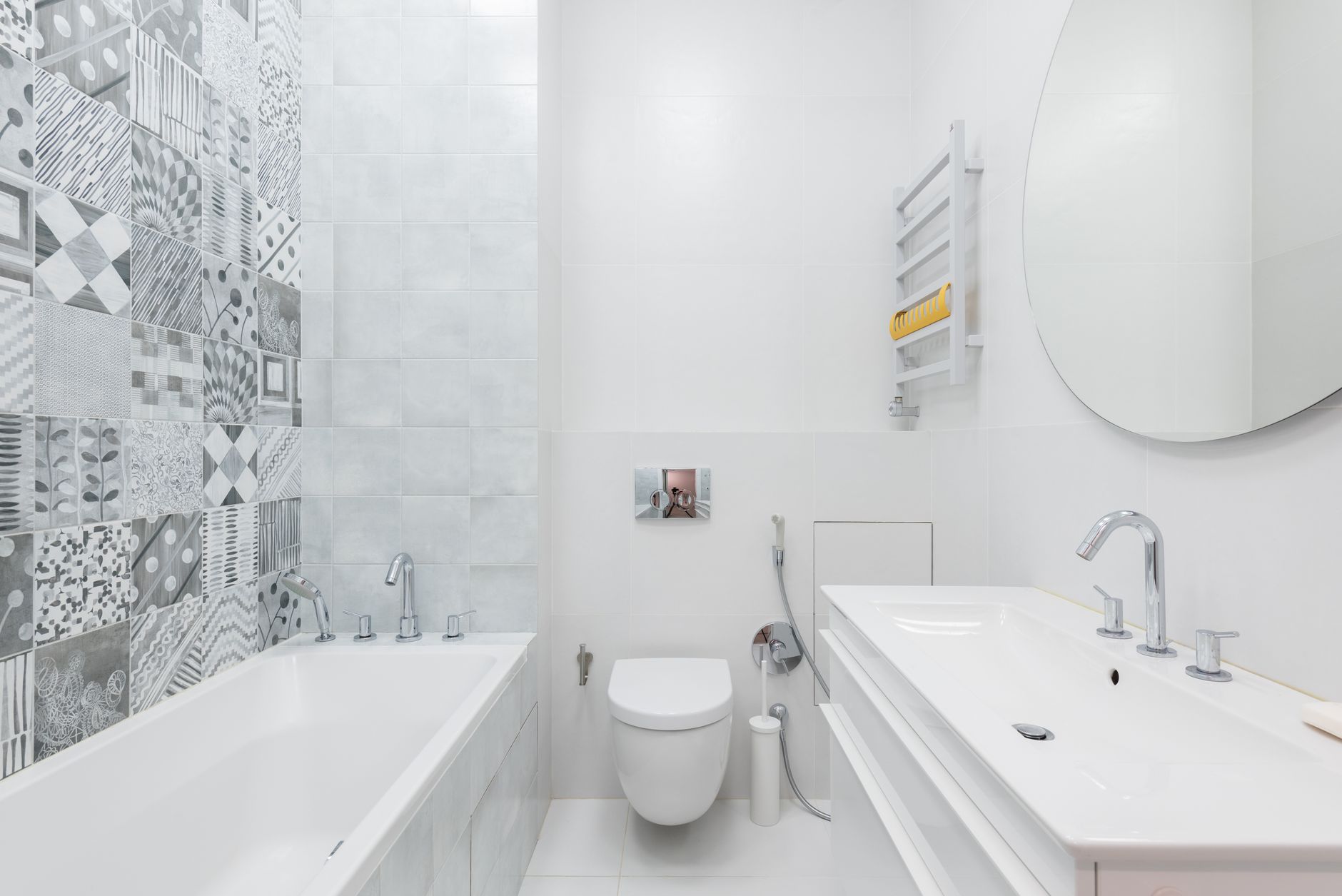
The reason is that the part doing most of the work is hidden. The flange and the seal sit below the bowl, out of sight, and they decide whether a toilet sits still, stays dry, and keeps sewer gas out of the room. Here is what usually goes wrong there.
The Myth That a Wobbly Toilet Is a Defective Toilet
A rocking toilet is a symptom of a gap or an uneven connection, and the gap is almost always between the base and the floor or between the base and the flange. A new bowl simply exposes problems the old one was compensating for, such as a floor that has settled or a flange that was set a little too low years ago.
What the Flange Actually Does
The flange is the ring that connects the toilet to the drain pipe and anchors the closet bolts. It has two jobs: holding the toilet in place and providing a clean, level surface for the seal to compress against. If it is cracked, corroded, or loosely screwed to the subfloor, nothing above it can be stable.
Flange Height and the Finished Floor Problem
The classic error happens during a remodel. New tile or thicker flooring goes in, raising the floor, but the flange stays where it was. Ideally the flange sits on top of the finished floor, or very close to it. If it ends up recessed below the surface, the seal cannot bridge the distance properly, and the bowl may sit unevenly. Extension rings or a repositioned flange solve this, but only if someone checks the height first.
Wax Rings, Wax-Free Seals, and the Debate Over Which Is Better
Both types work when the flange is sound. Wax is inexpensive and conforms well to minor imperfections, though it is unforgiving: lift the toilet after setting it and the seal should be replaced. Wax-free seals are reusable and tolerate some repositioning, and they can help when the flange sits slightly low. Neither one fixes a broken flange, and choosing between them matters far less than the condition of what they are sealing against.
Why Tightening the Bolts Harder Makes Things Worse
Closet bolts hold the toilet down, but they do not squeeze a leak shut. Overtightening can crack the porcelain base, bend a weak flange, or tilt the bowl so one side lifts. Tighten each nut a little at a time, alternating sides, until the toilet is snug and no longer moves. If it still rocks after that, the cause is the gap, not too little torque.
Sewer Smell and Slow Leaks That Get Misdiagnosed as Condensation or Bad Fixtures
A faint sewer odor near the base often means the seal is not complete, letting gas escape around the horn. A damp patch gets blamed on tank condensation, especially in humid months, but a leak at the base tends to show up around the bottom of the bowl and may linger long after the tank has stopped sweating. Over time, that moisture can stain or soften the subfloor, which is why odd smells deserve attention before the damage spreads.
The Shims, Caulk, and Quick Fixes That Hide the Real Problem
Plastic shims stop the rocking, and a bead of caulk around the base makes things look finished. But shims placed under a toilet with a poor seal do not correct the gap above the flange, and caulk can trap a slow leak, hiding it until the floor underneath is damaged. If the problem sits below the floor line, such as a low or broken flange, a professional service like Plumbing toilet installation Piscataway, NJ can inspect the drain connection, correct the flange, and reset the bowl properly instead of covering the symptom.
When a Do-It-Yourself Reset Is Reasonable and When a Plumber Should Take Over
Pulling the toilet, scraping off the old seal, checking that the flange is intact and level, and setting a fresh seal is within reach for a careful homeowner. It is a messy job, but not a complicated one. Stop and call someone if the flange is cracked, rusted through, loose on the subfloor, or sitting below the finished floor, or if the subfloor feels soft. Those are repairs to the structure the toilet depends on, and a new bowl on top will not change the outcome.